Explore Vital Tree Care Methods for Maximum Tree Health
Understanding tree care is important for ensuring ecological wellness. Important techniques including mulching and trimming play significant roles in encouraging strong tree growth. Furthermore, the right way to water are critical for root establishment. Nonetheless, a lot of individuals ignore the symptoms of sick trees and the importance of hiring professionals. Investigating these factors can foster a greater respect for how to maintain trees. What measures can be adopted to make sure their trees flourish?
Understanding the Importance of Tree Health
Knowing why tree health is crucial is critical, as trees are instrumental in maintaining ecological balance and improving city settings. Healthy trees contribute to the quality of the air, offer cooling shade, and sustain animal homes. Trees also assist in reducing climate change by capturing carbon, making them essential for a sustainable environment.
In city environments, properly cared-for trees look better, boost real estate worth, and promote community well-being. Their presence can reduce the urban heat effect in cities, leading to lower energy costs.
Failing to care for trees, conversely, can lead to illness, insect problems, and structural instability, creating dangers to infrastructure and the trees themselves. As a result, knowing the markers of tree well-being, such as leaf coloration, how the tree is growing, and the tree's outer layer, is vital for proper care. In conclusion, fostering healthy trees benefits not just personal gardens but the entire environment as well, emphasizing the need for forward-thinking attention and management practices.
Essential Pruning Techniques

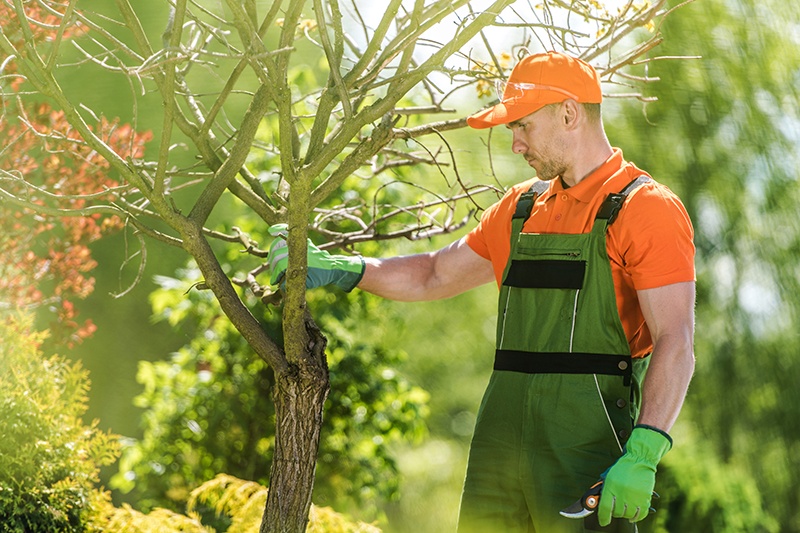
Trimming is a key technique in tree care that ensures optimal development and well-being, as it removes dead or diseased branches and enhances air flow within the canopy. Using the right methods ensures the trees can grow well in their setting.
An essential practice is "thinning," which requires careful branch removal to improve sunlight exposure and lessen the load on fragile branches. 'Heading cuts' is a common approach, where the terminal buds are removed to encourage thicker growth, mainly in juvenile trees. Furthermore, the 'crown reduction' technique lowers the overall height of a tree while preserving its inherent form.
Proper timing is crucial; pruning during the dormant season lessens the impact and promotes better wound closure. Pruning implements must be sharp and sterile to prevent injury and infection transfer. Knowing these essential trimming methods is vital for every arborist who seeks to keep healthy and visually appealing trees.
Recognizing Typical Tree Ailments
How can tree owners recognize the indicators of typical illnesses that put their trees at risk? Awareness of specific symptoms is essential for early detection and intervention. Typical signs involve discolored or wilting leaves, which related content may suggest fungal infections or nutrient deficiencies. Unusual growths, like cankers or galls, can signal the presence of pests or pathogens that compromise tree health. Furthermore, peeling bark or oozing sap can be a sign of disease that need prompt care.
Owners must also monitor changes in tree structure, like premature leaf shedding or dead branches, which could signify a more severe underlying issue. Watching for evidence of bug problems, like frass or bore holes, is equally important. By remaining vigilant and proactive, tree owners can identify these common diseases and seek appropriate remedies, making sure their trees stay strong and lively across the different seasons.
The Role of Mulching in Tree Care
Mulching is a key technique in tree care, providing many advantages that foster robust growth and hardiness. It means spreading a layer of specific material types around the base of a tree, aiding in moisture retention, suppress weeds, and stabilizing soil warmth. This insulating layer does more than minimize competition from competing weeds but also improves the look of the landscape.
In addition, materials like wood chips, for example, bark or chips, gradually decompose, providing essential nourishment and bettering its texture. This natural breakdown aids in root growth and creates a more robust setting for the growing tree. In addition, applying mulch helps stop soil erosion, which helps maintain the stability of the tree’s root system. Appropriately spread mulch should be spread in a circular pattern, keeping it away with the trunk to avoid rotting. Overall, making mulching a part into tree care routines significantly aids to the lasting vitality of trees.
Effective Watering Techniques for Trees
Quality tree upkeep needs not only mulching but also correct hydration methods to ensure optimal growth and health. Trees, specifically new plantings, require steady hydration to develop robust root structures. Deep watering is essential, as it encourages roots to grow downwards where moisture is more stable. Preferably, trees should receive about an inch of water per week, be it from precipitation or supplemental irrigation.
Watering should be done early in the morning to cut down on evaporation and disease caused by fungi. One must be careful not to overwatering, which may result in root rot and further problems. The soil should be checked for moisture before watering; when the top two inches feel dry, then watering is necessary. Additionally, utilizing drip irrigation or drip irrigation delivers a gradual, continuous stream of water, ensuring that trees receive adequate hydration without the potential for wasted water. Correct watering methods are essential contributors to the total vitality of trees.
Hiring Professional Tree Services: The Timing and Rationale
When considering the health and aesthetics of a property, hiring professional tree services is often vital for homeowners who need intricate tree upkeep. Expert tree specialists have the expertise to assess tree health, spot illnesses, and execute beneficial procedures. Professionals are familiar with local regulations concerning tree removal and maintenance, ensuring adherence and sidestepping fines
(Stillwater Tree Service)It is wise for homeowners to engage professionals when dealing with big trees, especially those close to buildings or power lines, as improper handling can pose safety risks. Additionally, trees requiring pruning for looks or well-being profit from the expertise of trained specialists who can make accurate cuts to promote growth
Periodic maintenance, such as storm preparation and clearing debris, need professional assistance to keep the property safe and appearance. In the end, engaging professional tree services makes certain trees get the best attention, thereby enhancing the property's aesthetics and property value
FAQs
How Do I Know if My Tree Is Overwatered?
Signs of overwatering in trees include chlorotic leaves, drooping even when the ground is wet, decaying roots, and premature shedding of leaves. In addition, the development of mold or fungus near the trunk's bottom often suggests inadequate water runoff and excess moisture.
What's the Optimal Season for Tree Pruning?
The ideal season for trimming is usually between late winter and the start of spring before the onset of new foliage - Stillwater Tree Service. Pruning at this time encourages vigorous development and reduces the tree's strain, enabling rapid wound closure and development
Do Trees Bounce Back After Significant Weather Events?
Absolutely, trees are capable of recovering from major storm damage. Given the right attention, such as pruning damaged limbs and ensuring sufficient hydration and feeding, most trees will recover their vitality and keep growing strong despite enduring major trauma.
How Do I Choose the Right Mulch for My Trees?
To choose the right mulch for trees, it is best to use organic options like wood chips or bark, ensure a layer 2 to 4 inches deep, and keep mulch away from the tree collar to safeguard against rot.
Are Some Trees Higher Maintenance Than Others?
Certain trees, for instance, new plantings and orchard trees, demand more care owing to their vulnerability to weather fluctuations and specialized fertilization demands. Regular monitoring and tailored maintenance practices are essential for their health and flourishing.